The idea of hormesis is that a small, controlled challenge to the body can stimulate it to adapt and come back stronger.
Kelly Clarkson knew what she was singing about.
Here are three common ways to activate the power of hormesis.
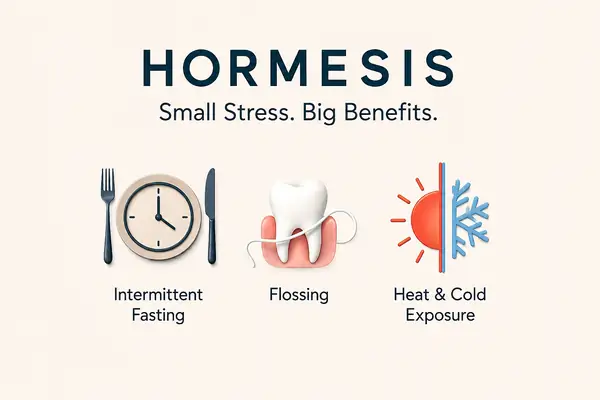
Challenge #1: Intermittent Fasting or Time-Restricted Eating
Feast and famine. That was probably a common scenario for our hunter-gatherer ancestors, right?
Berries may have been plentiful in the summer but lacking in the fall or winter. They may have hunted a large animal one day and then found nothing for the next few days. They probably did not wake up to a big breakfast every morning.
You might think that without three square meals a day, the body would be lacking energy and running on empty. However, research suggests that our energy factories, called mitochondria, may actually perform better after a longer period without food.
Some people notice clearer focus, steadier energy, or less brain fog during a properly structured fast.
This makes sense from an evolutionary perspective. If our ancestors had not found food for a couple of days, their bodies needed to stay focused and energy-ready to help them catch the next meal.
Intermittent fasting or time-restricted eating, such as eating within an 8- to 10-hour daily window, provides a small amount of stress that may be beneficial. That is hormesis.
Allowing the body some time away from digesting food may help activate genes involved in cellular repair and recycling. These processes help clear out damaged cellular components, including damaged mitochondria.
Fasting may also train the body to work more like a flex-fuel vehicle—able to burn carbohydrates when they are available, but also able to burn stored fat when needed.
We want our energy factories to be able to shift efficiently from one fuel source to another.
Start Simple
Begin with a 12-hour overnight fast.
Stop eating after dinner and wait until 8:00 a.m. to break your fast.
You do not need to jump directly into a long fasting window. Small, consistent changes are often more sustainable.
Challenge #2: Flossing
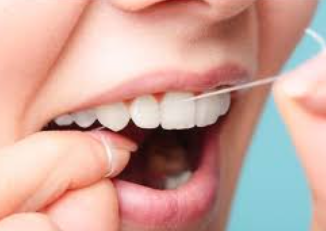
Another example may be found in the oral cavity: flossing.
Sure, flossing helps remove food and buildup from between the teeth, but the bigger benefit may be the gentle challenge it provides to the gums.
This stimulation can increase blood flow to the gum tissue while helping prevent harmful oral bacteria from taking hold and contributing to inflammation.
The goal is gentle stimulation—not aggressive flossing that damages the gums.
If flossing is not already a daily habit, hopefully this provides a little more of a nudge to start.
Your teeth, gums, and dentist will thank you.
Challenge #3: Temperature Fluctuations—Hot and Cold Exposure
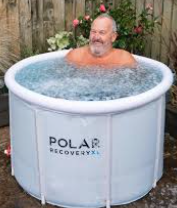
Another simple way to build hormetic challenges into your routine is through changes in temperature.
An infrared sauna can be a great option for heat exposure.
For cold exposure, you might turn the shower cold for a short period at the end or try a brief cold plunge for up to two minutes, if that is your thing.
Hot and cold exposure challenge the body to maintain its internal temperature. This can influence blood flow, the nervous system, and the body’s stress-response pathways.
Cold exposure is also often associated with improved alertness and greater tolerance to discomfort. It may affect vagal and autonomic nervous system activity, although the response involves more than just the vagus nerve.
You do not need to start with an ice bath.
Try ending your shower with 15 to 30 seconds of cool water and gradually increase the time as your body adapts.
The Right Dose Matters
The key to hormesis is that the challenge is small and controlled.
More is not always better.
A little stress may stimulate adaptation, but too much stress—especially without enough recovery—can leave the body depleted rather than stronger.
The goal is not to punish the body. The goal is to provide a manageable challenge and then give the body the resources it needs to recover.
Ready to Build More Resilience?
Choose one small hormetic challenge to practice this week:
- Try a 12-hour overnight fast.
- Begin flossing consistently.
- Finish your shower with 30 seconds of cool water.
Start small, stay consistent, and pay attention to how your body responds.
At Hansen Health, I help clients understand how nutrition, metabolism, hormones, gut health, and daily habits work together to influence long-term health.
Ready for a more personalized plan? Schedule a consultation with Hansen Health to explore practical strategies that fit your health history, goals, and lifestyle.
This article is for educational purposes only and is not a substitute for individualized medical advice. Fasting and extreme heat or cold exposure may not be appropriate for everyone.
Ready to take action on your health?
Book an initial consultation with Doug to get a personalized root-cause analysis and action plan built around your unique labs and health history.
Book Your Free Discovery Call